 en
en  中文(简体)
 中文(繁體)
 Português
 Español
 Pусский
 العربية
 日本語
日本語
 Deutsch
 Français

SHASHMAQOM1.0.6

Rating

Genre
GAMES

Size
61.3 MB

Version
1.0.6

Update
Jul 11 2024
SHASHMAQOM APK for Android. Download now!
 Download
Assalamu Alaykum xurmatli kitobxon yurtdoshlarim!!!
Ushbu to`plam aziz kitobxonlar, yosh bilimga chanqoq yoshlar va barcha insonlarga, ko`plab kitobni sevib o`quvchi aziz birodarlarimizga bag`ishlandi!
What's New in the Latest Version 1.0.6
Last updated on Jul 11, 2024
Minor bug fixes and improvements. Install or update to the newest version to check it out!
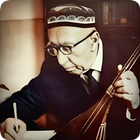
Shashmaqom: A Musical Tapestry of Central AsiaShashmaqom, a captivating form of classical music from Central Asia, holds a prominent place in the cultural heritage of Uzbekistan, Tajikistan, and neighboring regions. Its intricate melodies, rhythmic patterns, and poetic lyrics have captivated audiences for centuries.
Origins and Development
The origins of Shashmaqom can be traced back to the 10th century, with influences from Persian, Arabic, and Turkish music. Over time, it evolved into a distinct genre, incorporating elements from various musical traditions of Central Asia. The six maqoms (musical modes) that form the core of Shashmaqom developed gradually, each with its unique melodic and rhythmic characteristics.
Structure and Performance
Shashmaqom is performed by an ensemble typically consisting of a tanbur (plucked lute), dutar (two-stringed lute), sato (long-necked lute), ghichak (bowed fiddle), and doira (frame drum). The vocalists, known as "khovandi," play a central role, delivering intricate melodies and improvising lyrics within the established framework of the maqoms.
The performance of Shashmaqom follows a specific structure, beginning with an instrumental prelude known as "mukhbir." This is followed by a series of vocal sections, each dedicated to a different maqom. Within each maqom, there are various movements, including slow and meditative sections (sarakhbar) and more lively and rhythmic sections (naqsh). The performance concludes with a lively instrumental finale known as "o'zag."
Musical Characteristics
The music of Shashmaqom is characterized by its intricate melodic structures, often based on complex intervals and microtones. The rhythms are equally complex, featuring syncopated patterns and polyrhythmic interplay between the instruments. The lyrics, drawn from classical Persian poetry, are highly refined and often explore themes of love, loss, and spirituality.
Cultural Significance
Shashmaqom holds a deep cultural significance in Central Asia. It is performed at weddings, festivals, and other important social gatherings. The maqoms are considered to embody the wisdom and cultural identity of the region. In 2003, UNESCO recognized Shashmaqom as a Masterpiece of the Oral and Intangible Heritage of Humanity.
Contemporary Relevance
While Shashmaqom remains rooted in tradition, it has also undergone some modernization in recent decades. Contemporary musicians have incorporated elements of jazz, rock, and other genres into their interpretations, creating a fusion of traditional and modern sounds. This has helped to introduce Shashmaqom to a wider audience and ensure its continued relevance in the 21st century.
4 / 5 ( 221 votes )
Recommended for you