 en
en  中文(简体)
 中文(繁體)
 Português
 Español
 Pусский
 العربية
 日本語
日本語
 Deutsch
 Français

Orthodox Bible4.2.0

Rating

Genre
GAMES

Size
77.7 MB

Version
4.2.0

Update
Jul 16 2024
Download Orthodox Bible APK - Latest Version 2024. Download now!
 Download
Orthodox Calendar
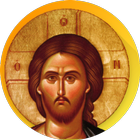
Introducing the Orthodox Bible app! This app is the perfect resource for those who want to study and explore the Orthodox Christian faith. With the Orthodox Bible app, you can access the full text of the Old and New Testament. The app also includes daily readings and a Orthodox Calendar of feasts and fasts, making it easy to stay connected to your faith every day. Whether you are a seasoned Orthodox Christian or just starting to learn about the faith, the Orthodox Bible app is an essential tool for your spiritual journey.
Features:
Daily readings
Daily prayers: morning, meal and evening prayers
Audio Psalms
The translation of the Old Testament from the Septuagint into English is a process that involves both linguistic expertise and a deep understanding of the historical and cultural context of the original texts. The Septuagint, often abbreviated as LXX, is an ancient Greek translation of the Hebrew Bible, specifically the Old Testament, which holds significant importance in the history of biblical scholarship.
Use this app to track the dates of other religious holidays in the Orthodox calendar such as Christmas, Epiphany, Theophany, and the Dormition of the Theotokos. These holidays are based on the liturgical Orthodox calendar, which is a cycle of readings and liturgical services that are used in the Orthodox churches. The liturgical Orthodox Calendar follows the same patterns and themes throughout the year, and it is closely tied to the life and teachings of Jesus Christ. Why follow the Orthodox calendar: mindfulness and introspection, humility recognizing one's own smallness in the grand scheme of God's plan and purpose.
- Build discipline and routine in one's spiritual practice
- Foster a deeper sense of connection to the divine
- Take time to reflect on the sacrifices and teachings of Jesus Christ by observing religious holidays
- Foster a sense of community and shared spiritual practice with other Eastern Orthodox believers.
The Orthodox calendar, also known as the Julian calendar, is the calendar used by many Eastern Orthodox churches around the world to determine the dates of religious holidays and observances. It is based on the Julian calendar, which was introduced by Julius Caesar in 45 BC and is currently 13 days behind the Gregorian calendar. The Orthodox calendar has different dates for Easter and other religious holidays, which are based on the liturgical calendar. It is an important part of the religious tradition and culture of the Eastern Orthodox churches. The Orthodox calendar is currently 13 days behind the Gregorian calendar, which is widely used in the Western world. This difference is due to the fact that the Orthodox churches did not adopt the Gregorian calendar, which was introduced in 1582 by Pope Gregory XIII as a reform of the Julian calendar. The Gregorian calendar has a leap year rule that eliminates the accumulated error of the Julian calendar, so the Orthodox church still use the Julian calendar. The Orthodox calendar follows the same month names as the Julian calendar, which are: January, February, March, April, May, June, July, August, September, October, November and December. However, the Orthodox calendar has different dates for Easter, which is the most important religious holiday for Christians. The Orthodox Easter is always celebrated on the Sunday following the first full moon after the vernal equinox. This is different from the Western Easter, which is always celebrated on the Sunday following the first full moon on or after the vernal equinox.
Privacy Policy: https://www.orthodoxbible.app/privacypolicy.html
Orthodox BibleThe Orthodox Bible is the official collection of sacred texts used by the Eastern Orthodox Church. It is a compilation of the Old and New Testaments, along with other texts known as the deuterocanonical books. The Orthodox Bible differs from the Protestant Bible in its inclusion of these deuterocanonical books, which are considered to be part of the inspired Word of God.
Old Testament
The Old Testament of the Orthodox Bible contains the same books as the Hebrew Bible, which is also known as the Tanakh. These books are divided into three sections: the Law (Torah), the Prophets (Nevi'im), and the Writings (Ketuvim).
* The Law consists of the first five books of the Bible: Genesis, Exodus, Leviticus, Numbers, and Deuteronomy. These books contain the account of God's creation of the world, the history of the Israelites, and the laws that God gave to them through Moses.
* The Prophets are divided into two sections: the Former Prophets and the Latter Prophets. The Former Prophets include the books of Joshua, Judges, Samuel, and Kings. These books tell the story of the Israelites from the time of their conquest of Canaan to the Babylonian exile. The Latter Prophets include the books of Isaiah, Jeremiah, Ezekiel, and the twelve minor prophets. These books contain prophecies about the future of Israel and the coming of the Messiah.
* The Writings are a collection of diverse books that include poetry, wisdom literature, and historical accounts. Some of the most well-known books in this section include the Psalms, Proverbs, Job, and Ecclesiastes.
New Testament
The New Testament of the Orthodox Bible contains the same books as the Protestant Bible. These books are divided into four sections: the Gospels, the Acts of the Apostles, the Epistles, and the Book of Revelation.
* The Gospels are the accounts of the life and teachings of Jesus Christ. The four Gospels are Matthew, Mark, Luke, and John.
* The Acts of the Apostles tells the story of the early church after the resurrection of Jesus Christ. It describes the work of the apostles and the spread of the gospel throughout the Roman Empire.
* The Epistles are letters that were written by the apostles to the early churches. These letters contain instructions on Christian doctrine and practice.
* The Book of Revelation is a vision of the end times. It describes the final judgment of God and the establishment of the new heaven and the new earth.
Deuterocanonical Books
The Orthodox Bible includes a number of books that are not found in the Protestant Bible. These books are known as the deuterocanonical books. The deuterocanonical books are considered to be part of the inspired Word of God by the Orthodox Church, but they are not accepted as canonical by Protestants.
The deuterocanonical books include:
* Tobit
* Judith
* Esther (including the Greek additions)
* Wisdom of Solomon
* Ecclesiasticus (also known as Sirach)
* Baruch
* Letter of Jeremiah
* Susanna
* Bel and the Dragon
* Prayer of Azariah
* Song of the Three Young Men
* History of the Susanna
* 1 Maccabees
* 2 Maccabees
Importance of the Orthodox Bible
The Orthodox Bible is the authoritative source of doctrine and practice for the Eastern Orthodox Church. It is used in богослужение (divine services), and it is studied by Orthodox Christians throughout the world. The Orthodox Bible is a treasure trove of wisdom and guidance, and it is a source of great comfort and strength for Orthodox Christians.
2 / 5 ( 743 votes )
Recommended for you